
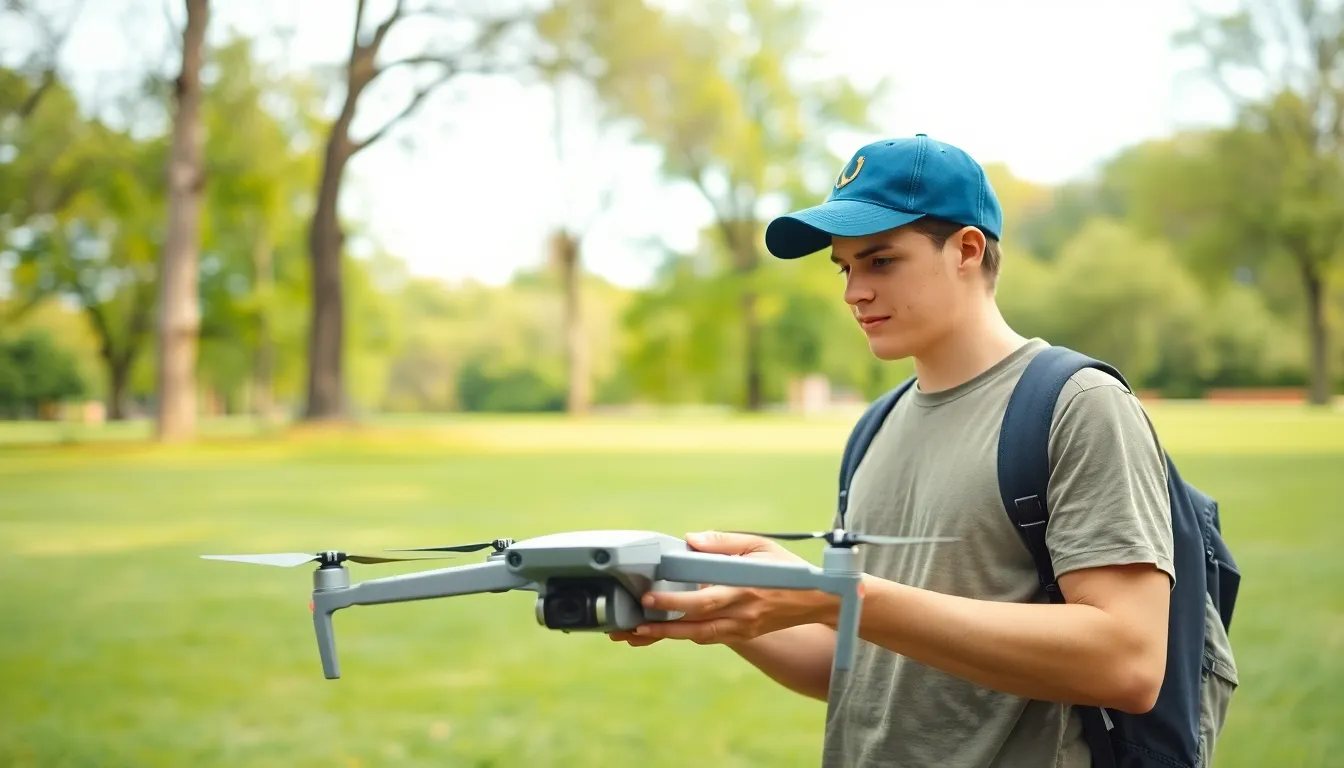
Drones are the coolest gadgets to hit the skies since the invention of the paper airplane. They can capture breathtaking views and deliver snacks—what’s not to love? But before you take your flying buddy for a spin, remember that with great power comes great responsibility. Just like you wouldn’t let a toddler wield a chainsaw, you shouldn’t let your drone fly unchecked.
Table of Contents
ToggleImportance Of Drone Safety
Drones offer great potential but come with risks. Understanding these risks enhances overall safety for both users and the public. Regulations from the Federal Aviation Administration (FAA) guide drone operators on safe flight practices.
Proper maintenance of drones plays a critical role in safety. Inspecting components like propellers and batteries before each flight ensures functionality. Equipment subjected to wear and tear may malfunction, leading to accidents.
Operating drones in designated areas is vital. Restricted zones, such as near airports or crowded places, pose significant dangers. Adhering to local laws not only promotes safety but also fosters responsible usage among all drone enthusiasts.
Moreover, maintaining visual line of sight provides enhanced control during flight. Keeping the drone within sight reduces the chances of losing control. Awareness of surrounding obstacles, such as trees and buildings, helps avoid collisions.
User education remains essential for safe operation. Understanding drone features and functionalities enables timely responses to unexpected situations. Online courses and resources can enhance operators’ skills.
Promoting safety among community members encourages collective responsibility. Sharing safety practices ensures that everyone adheres to common standards. Engaging in discussions about drone safety can raise awareness of best practices.
Insurance also offers protection against potential mishaps. Securing liability insurance shields operators from financial burdens related to accidents. Such measures emphasize the commitment to responsible drone use.
Pre-Flight Safety Checks
Pre-flight checks are crucial for ensuring safe drone operation. Following a checklist can prevent accidents and equipment failure.
Inspecting Your Drone
Inspecting your drone guarantees all components function correctly. Check propellers for cracks or damage, as they impact flight stability. Verify battery charge levels to avoid losing power mid-flight. Ensure all sensors are clean and operational, promoting accurate positioning. Confirm that the remote controller connects properly to the drone. Evaluate firmware updates to keep the equipment running smoothly. Each step contributes to reliable drone performance.
Checking the Weather Conditions
Checking weather conditions helps avoid hazardous flying scenarios. Monitor wind speeds, as gusts can destabilize the drone during flight. Rain or snow may impact visibility and drone functionality. Fog can obscure visual line of sight, increasing the risk of accidents. Temperature extremes affect battery performance, so be aware of the current climate. Stay informed with local forecasts to ensure safe flying conditions. Each weather aspect plays a vital role in determining flight safety.
Safe Operating Practices
Safe operating practices ensure responsible drone use while maximizing enjoyment and utility. Following these guidelines minimizes risks and enhances safety for all involved.
Maintaining Line of Sight
Maintaining a visual line of sight is crucial for safe drone operation. Operators must always be able to see their drones without using visual aids like binoculars. This practice promotes awareness of obstacles such as other aircraft, buildings, or people. The FAA mandates this for recreational and commercial pilots, reinforcing the importance of situational awareness. Clear visibility helps prevent collisions and accidents in crowded or complex environments. Additionally, consider bringing a spotter to assist with monitoring the drone’s location and surroundings. Spotters can enhance safety by providing verbal alerts about potential hazards.
Avoiding Restricted Areas
Avoiding restricted areas is vital for compliance and safety. No-fly zones include areas near airports, military bases, and certain government installations. The FAA provides maps detailing these zones, making it easier for drone operators to plan flights accordingly. Incorporating geo-fencing technology can help operators stay within safe boundaries while flying. Consequences for flying in restricted zones can include hefty fines and legal action. Pilots also risk putting themselves and others in danger when ignoring these restrictions. Always check local regulations and advisories before a flight to ensure compliance with situational requirements.
Emergency Preparedness
Emergency preparedness ensures safe drone operation even in unexpected situations. Having an effective plan is crucial for both the operator and the surrounding community.
Creating an Emergency Plan
Creating an emergency plan enhances safety during drone flights. Operators must identify potential hazards and establish responses for various scenarios, such as loss of signal or battery failure. Developing a communication protocol for emergencies ensures all team members know their roles. Including contact information for local authorities can be beneficial as well. Conducting regular drills to practice emergency responses helps prepare everyone for actual incidents. Each operator should ensure that the plan is easily accessible. Revising the plan regularly keeps it current and relevant to evolving situations.
Understanding No-Fly Zones
Understanding no-fly zones is vital for drone operators. Knowledge of these areas prevents unintentional violations that can lead to fines or legal consequences. Adhering to regulations set by the FAA helps maintain safety around sensitive locations like airports and military installations. Using apps that provide real-time updates on no-fly zones can assist operators in staying informed. Checking these zones before flights limits risks and promotes responsible operation. Local regulations may also impose additional restrictions, so awareness of regional laws is crucial. Prioritizing understanding of no-fly zones protects both the operator and the public.
Educational Resources
Drone operators benefit from a variety of educational resources that enhance safety practices. Online courses provide fundamental knowledge about regulations and safe operational techniques. Many organizations, including the FAA, offer training to help users understand navigational aspects and safety protocols.
Webinars present opportunities to engage with industry experts on current best practices and emerging technologies. These sessions cover topics like emergency preparedness and risk management tailored specifically for drone users. Engaging in community forums fosters knowledge sharing and allows operators to learn from each other’s experiences.
Books and manuals serve as excellent references for both beginners and experienced pilots. They cover essential topics, including pre-flight checks, maintenance tips, and an overview of no-fly zones. Many reputable authors publish updated guidelines to align with changing laws and advancements in drone technology.
YouTube channels dedicated to drone safety showcase practical demonstrations of safety checks and flight maneuvers. Viewing expert pilots in action reinforces effective techniques while highlighting common pitfalls. Regularly following these channels keeps operators informed about the latest trends and innovations in drone safety.
Mobile apps are vital for ensuring compliance with local regulations and real-time weather updates. Many apps integrate features that notify pilots of no-fly zones and provide real-time data about air traffic. Utilizing these resources enhances operational safety and strengthens the commitment to responsible drone use.
Safety organizations publish newsletters and blogs filled with timely insights that address emerging issues in the drone industry. Subscribing to these resources aids operators in staying ahead of potential risks, reinforcing the importance of continuous learning. Prioritizing access to educational materials allows drone operators to navigate safely and responsibly in the skies.
Drones offer incredible opportunities for creativity and innovation but come with responsibilities that can’t be overlooked. By adhering to safety guidelines and regulations, operators can ensure enjoyable experiences while minimizing risks. Regular maintenance checks and thorough pre-flight preparations are essential for smooth operations.
Staying informed about local laws and weather conditions further enhances safety. Engaging with educational resources not only improves skills but also fosters a culture of responsibility within the drone community. Ultimately, embracing these safety practices helps create a safer environment for everyone involved.
